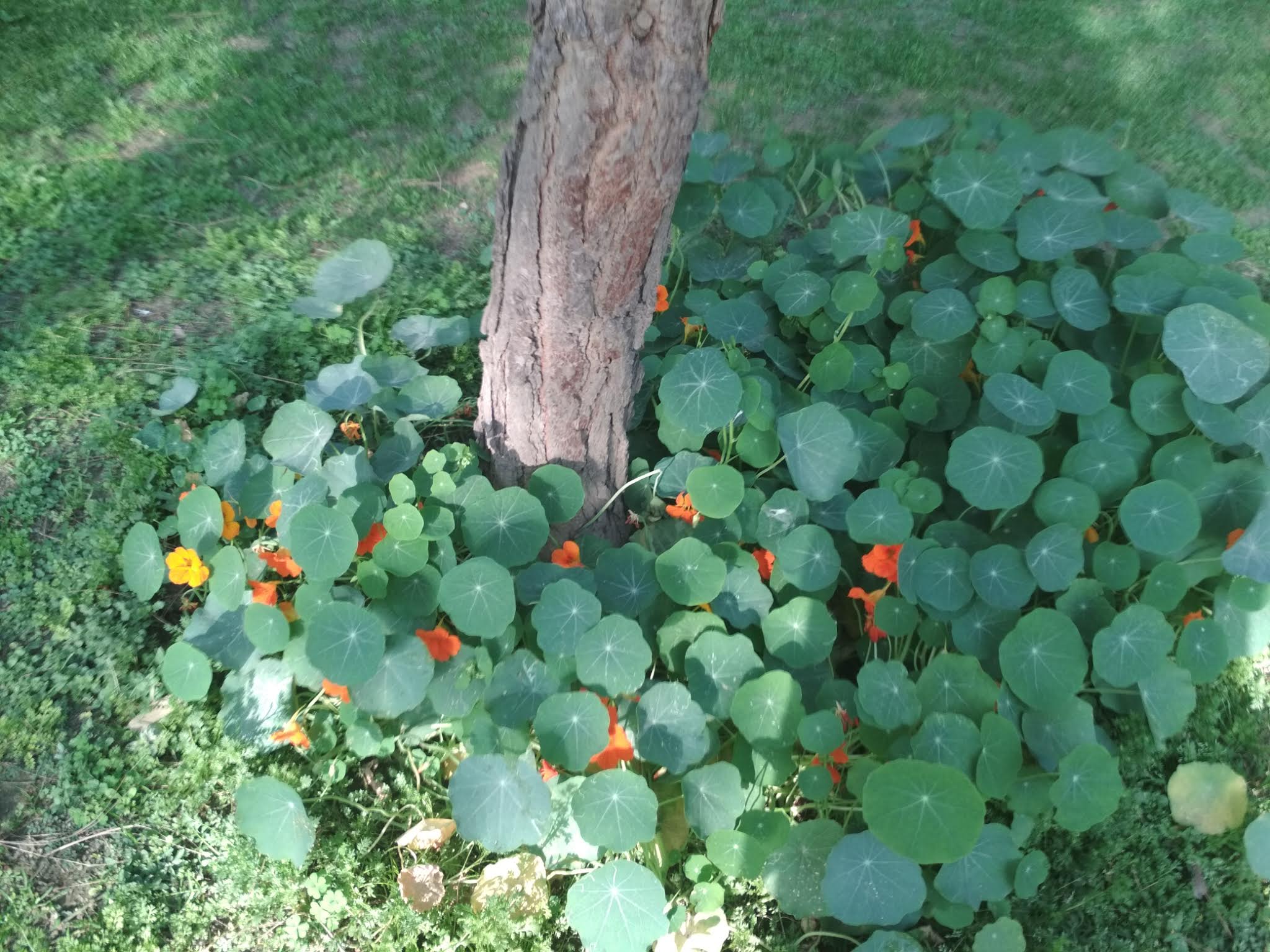
Tree walks give you inner peace and calmness. In Japanese philosophy, trees and Forests cure you. In Modern lifestyle, trees are our best friends. Generally, I love going to parks. Being a Delhite, I have travelled to a lot of beautiful gardens like Lodhi Garden, Raj Ghat, Shakti Sthal, Nehru Park etc. Lodhi garden and Shakti Sthal have a artificial lake which is used for rain water harvesting also. Both lakes are home to a large number of whiteducks, whose quack-quack make your day. So, when I was invited for a tree walk by Manisha ji, CEO of harajeevan.org under the guidance of renowned tree expert Padmavati ji, I thought it to be a routine walk, but it was altogether a different experience. It was an mid afternoon of Spring, I went to the park i.e. Buddha Jayanti park with Manisha ji and her environment enthusiast family. Gradually, around 8-10 people of all age groups joined us and then came the lady , Padmavati ji. I was delighted to see her due to her magical persona.She introduced herself and started the tree walk by focusing on a tree , its leaves and flowers. Then we all moved ahead in the garden blossoming with beautiful flowers. She showed male and female parts of a pine kind of tree which was a new thing for all of us. A musical party wasgoing on side by side and people were throwing wrappers here and there , she got really miffed with that but we couldn’t do anything. Moving on, I got totally mesmerized when she showed us the inner part of ovary of a flower with the help of a magnifying glass, which was a universe initself. There was a Rose Garden also which has almost 25 different varieties of Roses and children were very happy to see them. Then there was beautiful golden statue of Lord Buddha on a manmade island amid a lot of bougainvillea. We all did a quick photo session. Then there was a Relic, which was read by all of us. After that we all seated in a circle and she talked about the relationship of humans with the5 elements of Universe i.e. Sky, Earth, Water ,Air and Fire. Knowledge of these 5 elements allows a person to understand the laws of nature and to use it to attain good Health, Power, Knowledge, Wisdom and Happiness. She discussed about how we city people are moving far away from nature and living in a concrete jungle happily. She told us to put our both hands on the soil and to be remain silent for a few moments. It was a real magical feeling, experiencing each and every sound of birds, inhaling pure air. She talked about how our elders were deeply connected with mother Nature. They used to eat simple food coming from nature and lead a simple lifestyle. They used to find solution of their problems directly from nature, which COVID has really taught us i.e. go back to our roots. Finally, we all clicked a group picture under “Holy Bodhi Tree” whose sapling was gifted by SriLankan authorities to our then Prime Minister , Late Shri Lal Bahadur Shastri. Then again we allpassed through the same beautiful route blooming with flowers and shrubs and headed back toour homes with smiling faces and calm minds. For more such visits , you can contact ecodastkaari.in.
CIRCULAR STRATEGIES THAT ARE PART OF INDIA’S HERITAGE
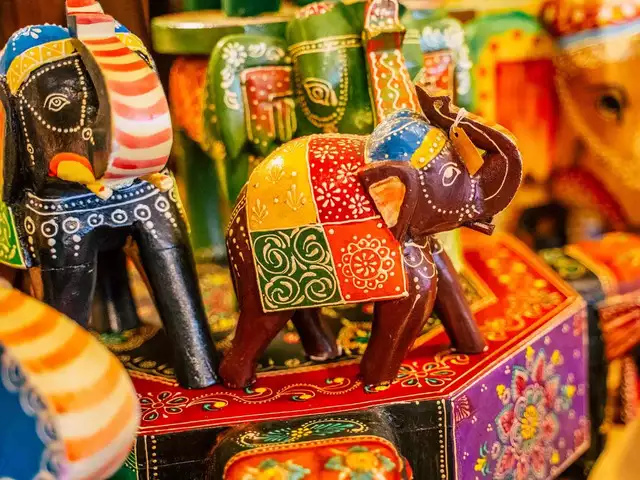
A nation that has no cultural heritage is like an orphan who has nothing to feed upon. An individual human being, a race or a nation must necessarily have certain roots somewhere. India is deep rooted in the culture of her past—the glorious past. India is a vast country, and centuries old. It is difficult to sum up her heritage in a few words. Her past has been full of glory. She has been the birth place of many great men and women. She has given birth to many great movements in religion, art and literature. These movements have not been limited to India alone, but they have travelled to other parts of the world. The India of today has a rich past over which we can look back with pride. Our past has given us a definite way of life, which is typically Indian and yet universal in approach. Indian heritage definitely shows us the way forward in leading a sustainable lifestyle while contributing towards Circular Economy. History tells us that both floods and droughts were regular occurrence in ancient India. Perhaps this is why every region in the country has its own traditional water harvesting techniques that reflect the glory which tells us that both geographical peculiarities and cultural uniqueness of the regions. The basic concept underlying all these techniques is that rain should be harvested whenever and wherever it falls. 1. Ancient Architecture: Archaeological evidence shows that the practice of water conservation is deep rooted in the science of ancient India. Excavations show that the cities of the Indus Valley Civilisation had excellent systems of water harvesting and drainage. The settlement of Dholavira, laid out on a slope between two storm water channels, is a great example of water engineering. Chanakya’s Arthashashtra mentions irrigation using water harvesting systems. Sringaverapura, near Allahabad, had a sophisticated water harvesting system that used the natural slope of the land to store the floodwaters of the river Ganga. Chola King Karikala built the Grand Anicut or Kallanai across the river Cauvery to divert water for irrigation (it is still functional) while King Bhoja of Bhopal built the largest artificial lake in India. Drawing upon centuries of experience, Indians continued to build structures to catch, hold and store monsoon rainwater for the dry seasons to come. These traditional techniques, though less popular today, are still in use and efficient. 2. Daily Practices: In South India, people used to eat their meals on Banana leaf , earlier they used to used to compost it also, ditching the disposable culture. Ladies used to preserve vegetables in pickle form in dry areas and hilly areas, as vegetables were not easily available during those days. They used to efficiently use every part of the vegetable, be it its seeds or peels. Hence, significantly reducing biodegradable waste and contributing to Circular Economy. Earlier, every household used to have a Cow. The milk given by her was truly healthy and nutritious. But now, they are forced to live on roads in miserable conditions feeding on garbage. Hence, the milk given by her is also not so pure any more. It is full of harmful chemicals and artificial hormones. The cow dung was used as fertilizers, now it’s all dumped in landfills blindly. Earlier, women used to decorate themselves and the house with natural flowers and Rangolis, now it is also replaced with artificial flowers and paper Rangolis. Various art forms such as Warli, Madhubani and Rogan art have been developed because of this practice. They used to use sil-batta for making delicious sauces and used to sun dry their Masalas and pickles. But now they use mixer grinder and everything is available in packets, be it masalas or pickles. And thus due to lack of physical activity, they face a lot of troubles and diseases. They underestimate the power of Sun and Moon. 3. Handicrafts Another great example of circular economy was our handicrafts, various types of Saris be it Banarasi or Jamdani, various types of tying and dyeing techniques, Bandhini and Patola. All used some organic materials and the final print looked very beautiful. It used to give employment to the whole village, but now the conditions are different. Now, they are practiced by a handful of people and the end product is very costly. Hence, is used as a niche product and leaving lakhs of people unemployed. Various types of traditional such as Kalamkari, Shibori, Warli, Hand Block, Dabu, Indigo & Phentiya prints were quite popular in those times and were patronized by local rulers and Kings, unlike today’s time. Earlier, Kings were equally involved with agricultural decisions and irrigation resources. Now, things are different as these things are handled by different ministries, who are accountable to Prime Minister. But, there is always a lack of coordination and will power is seen, among themselves. Hence, we should always study about our ancient practices and should learn circular strategies from them. In current scenarios, Indore and Pune are serving as the best examples of Circular Economy because they are smartly segregating the waste. Social Start ups such as Daily Dump, Phool.co and Gulmeher are working on the same lines by encouraging composting and recycling flower waste respectively.
Top 10 Sustainable products on Amazon
https://amzn.to/48O6sBk
Celebrate this Diwali with Green Gifts
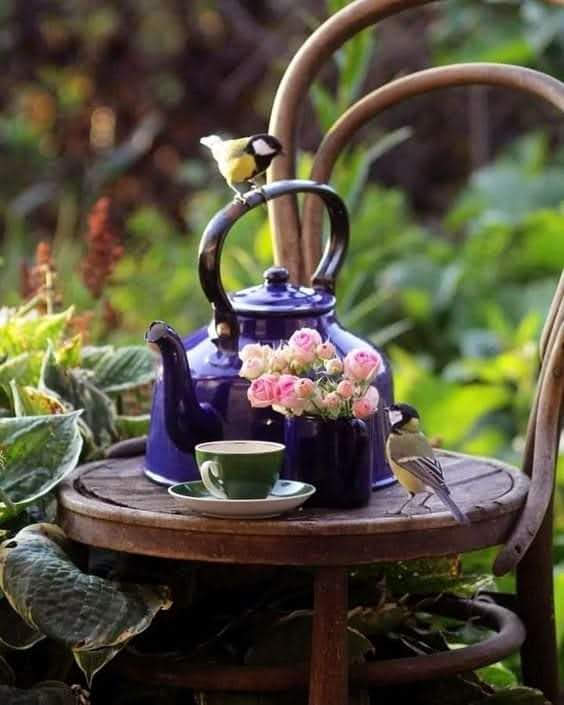
This Diwali, I saw a lot of Reels depicting Sohn Papdi as the common and repeated Diwali Gift but Gifting options for Diwali can be both eco-friendly and sustainable. Here are some Green gifting ideas for Diwali: Plants: Gift potted plants or saplings. They not only add greenery but also contribute to air purification. You can choose plants like money plant, snake plant, or Aromatic Plants such as Raat ki Rani or Harshingar that are easy to care for. You can explore more plants to buy on greendecor.inhttps://www.greendecor.in/ 2.Organic Products: You can opt for organic food items such as organic teas, chocolates, or snacks such as Ragi laddoo and Mixed grain or Millet snacks. Consider organic skincare or bath products made from natural ingredients like Neem, Rose or Turmeric. You can explore more products @ Khaadi Store. 3.Reusable Items: Give reusable shopping bags, stainless steel water bottles, Cups or bamboo cutlery sets to your Guests, this Diwali. You can buy such stuff @ https://www.ecosoulhome.com/ Beeswax wraps or reusable food storage containers are also sustainable choices is also a good green option. 4.Handmade Products: Support local artisans by gifting handmade items like pottery, handwoven textiles or recycled paper products or paper mache products. You can explore more such products @ https://ecodastkaari.in. 5.Solar-Powered Gadgets: You can Consider solar-powered gadgets like solar lanterns, heaters, chargers, or garden lights. You should install solar heaters and solar panels at your Rooftops this Diwali and minimize your electricity bills. 6.Upcycled Gifts: Look for gifts made from upcycled materials, such as upcycled glassware, furniture, or accessories. You can explore more such products @Gigantiques. The most popular ones are tyre chairs and tables. Terracotta Diyas: Choose Diyas made from Terracotta instead of plastic ones. These can be reused and are biodegradable and look very beautiful also during Diwali decoration. It will help local artisans also. 8.Subscription to Eco-friendly Services: Gift a subscription to a service that promotes eco-friendly living, such as a zero-waste subscription box or a sustainable clothing rental service. 9.DIY Kits: Provide DIY kits for making eco-friendly products like homemade candles, natural soaps, or reusable cloth bags. 10.Digital Gifts: Consider digital gifts like e-books, online courses, or subscriptions to streaming services such as Amazon or Netflix, reducing the need for physical products. Remember, the key is to choose gifts that are thoughtful, sustainable, and contribute positively to the environment and give less burden to landfills. Have a Happier and Greener Diwali next year.
6 Eco Tourist Places to visit in Delhi
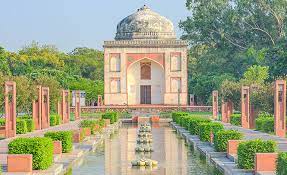
Delhi, the capital of India, is a city with a rich history and a vibrant culture. It is famous for its Mughal and British Era Architecture. But, recently it is getting popular for its Sustainable Architecture. With places with Village like surroundings, like Dilli Haat and Dastkaar Mela, it has now moved to public spaces that are mostly built with Waste Material or are using renewable energy such as Solar Energy to lighten up the surroundings.. Let’s take a look at 5 such Eco places to visit in Delhi….. 2. Bharat Darshan Park – It is situated near Punjabi Bagh Metro Station. You can take Battery Rickshaw to reach the exact location. Here also, the Monuments are made up of Industrial Waste. As the name suggests, the focus is on Indian Monuments such as Sanchi Stupa, Nalanda University, Konark Sun Temple, Meenakshi Temple etc. In the beginning, You are welcomed by a grand Banyan tree, whose lighting effect and fountains in the evening make it very beautiful. Then comes the Kedarnath, Badrinath, Dwarkadish and Jaganath Puri shrines with soothing Mantras Chanting in the surroundings, then comes Hampi, Mahabat Mahal, Taj Mahal and Char Minar. Near Qutub Minar, there is a beautiful staircase, where you can take rest or can click beautiful pictures. 3. Rashtriya Swachhata Kendra, Gandhi Darshan – It is situated near the Main Entry of Raj Ghat, lots of tourist buses stand in the queue in the parking which is in front of Raj Ghat. But less than half of the people move to Gandhi Darshan. May be because people think that it is a boring Museum with lots of antiques and old pictures. But let me tell you that it is not the case with this place. The Rashtriya Swachhata Kendra at Gandhi Darshan added by Modiji in August 2020 is fully high tech and advanced. It has an Ampitheatre, where you will experience a unique 360° audio visual immersive show, which will tell you the story of Swachhata and India. From 1947 when India gained independence from British rule, to the 1980s when the first sanitation programmes were launched by the government, to 2014 when the Swachh Bharat Mission was launched. Then there is gaming section which focuses on segregation of Waste and Outdoor Exhibits show sculptors of Gandhiji with Kids and Rani Mistris in action. 4. Sunder Nursery – Located near JLN Stadium Metro Station on Violet line, it is one of the beautiful restored parks of Delhi. IT can serve as a perfect picnic spot for kids and family amid the hustle and bustle of city life. The garden complex has undergone an extensive restoration project, undertaken by Aga Khan Trust for Culture India, jointly with Archaeological Survey of India (ASI) and Central Public Works Department (CPWD) which currently runs the garden. Now, there are recreated Persian gardens, Rose Gardens, an artificial lake with recycled water, Lakkarwala Burj and Sunder Burj. It has various types of Tree species such as Amrood, Psidium guajava Peelu, Salvadora persica Sonjna, Moringa oleifera Chalta, Dilienia indica It a place of Bird Lovers also because of presence of Birds such as Asian Pied Starling Eurasian Golden Oriole Coppersmith Barbet Eurasian Collared Dove Laughing Dove It has a lakeside Cafe also viz. Fabcafe, here you can fulfill your hunger pangs with delicious Paranthas and Samosas. 5) Dastkaar Mela- Dastkar is a private not-for-profit NGO established in 1981, working to support traditional Indian craftspeople, many of them women and village based, with the objective of helping craftspeople regain their place in the economic mainstream. Dastkar assists craftspeople through support service activities such as capacity building workshops, skills training, collaborative design innovation and product development; helping them transform traditional skills into products that have contemporary appeal, thereby providing craft communities with a source of permanent employment and sustained earning. Dastkar provides marketing platforms to craftspeople, thereby empowering the crafts community to bypass exploitative middlemen and directly operate in the market. Dastkar bazaars and exhibitions bring together craftspeople, producer groups, environmental organisations, social activists & cultural performers with urban consumers, students and international buyers. The Mela is organised time to time @ Nature Bazaar Venue, Kisan Haat Andheria Modh, Anuvrat Marg New Delhi 110074 India. Here, you can explore various Indian Artforms as well as authentic Indian food. Dastkar Mela, Eco Places in Delhi 6) Okhla Bird Sanctuary – Located near Okhla Bird sanctuary metro station, Magenta line, it is one of the most peaceful place in Delhi.During the months of October to March, it is visited by thousands of migratory birds including Shoveller Duck, Northern Pintail, Common Teal, Gadwall Duck and Blue Winged Teal. It is an ideal place for nature lovers and bird watchers.It has an area of approximately 4 square kilometres and is situated at the entrance of NOIDA in Gautam Budh Nagar district of Uttar Pradesh. It is situated at a point where river Yamuna enters the state of Uttar Pradesh leaving the territory of Delhi. It is one of the 15 bird sanctuaries in the state. Okhla Bird Sanctuary, Eco places in Delhi With all these beautiful places, We have Qudsiya Bagh (near Kashmere Gate), Roshnara Bagh, Kamla Nehru Ridge which are the Green Lungs of Delhi but need immediate , care and attention as three of them are not in a good state as per preserving a historical perspective. Fortunately, lot of development work is underway in Roshanara Bagh. The Municipal Corporation of Delhi is planning to add new features to the Roshanara Bagh, including a watch tower, play zone, and cafeteria. Work on reviving the lake is already underway and is expected to be completed by December, 2023.