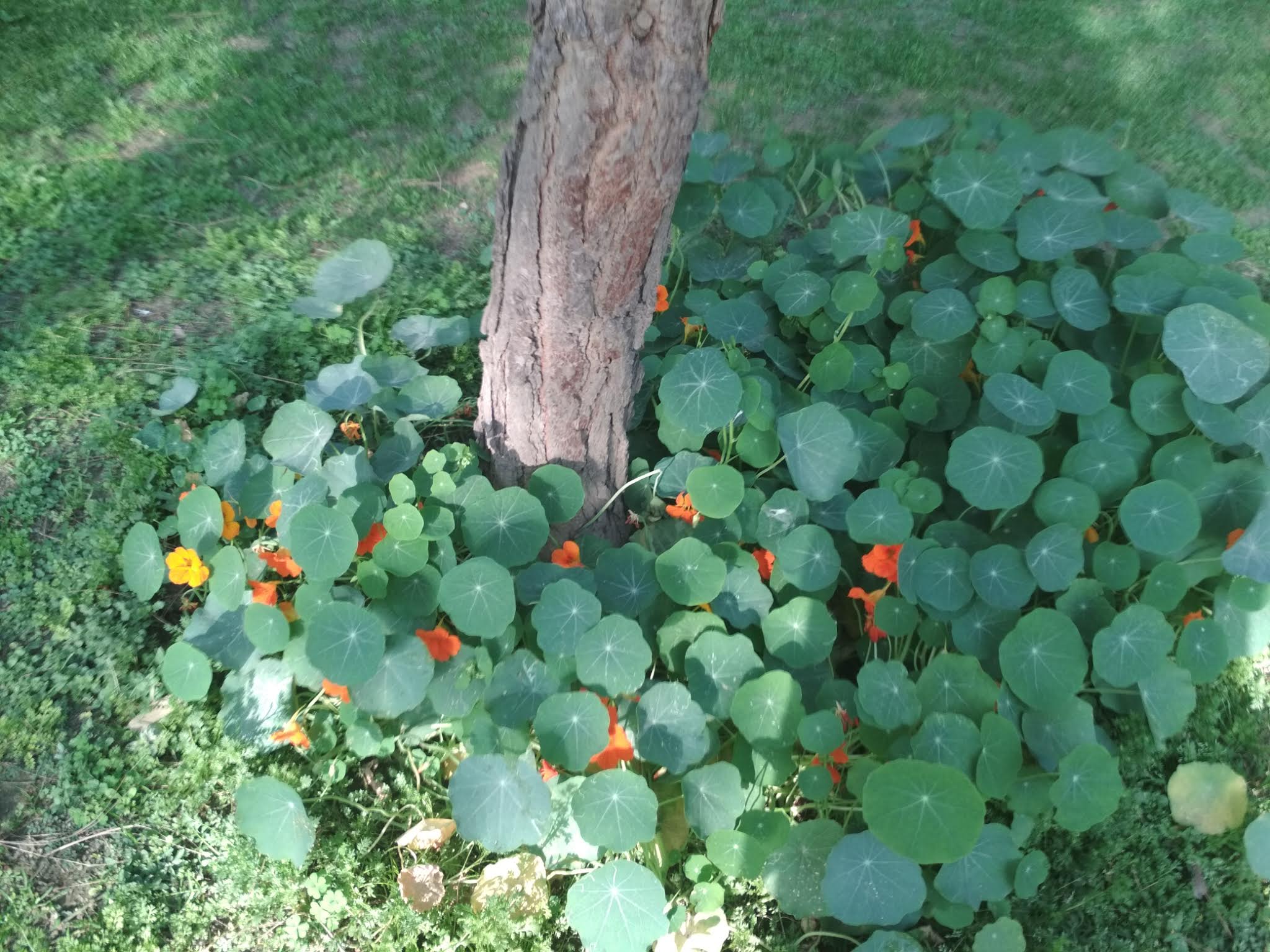
Tree walks give you inner peace and calmness. In Japanese philosophy, trees and Forests cure you. In Modern lifestyle, trees are our best friends. Generally, I love going to parks. Being a Delhite, I have travelled to a lot of beautiful gardens like Lodhi Garden, Raj Ghat, Shakti Sthal, Nehru Park etc. Lodhi garden and Shakti Sthal have a artificial lake which is used for rain water harvesting also. Both lakes are home to a large number of whiteducks, whose quack-quack make your day. So, when I was invited for a tree walk by Manisha ji, CEO of harajeevan.org under the guidance of renowned tree expert Padmavati ji, I thought it to be a routine walk, but it was altogether a different experience. It was an mid afternoon of Spring, I went to the park i.e. Buddha Jayanti park with Manisha ji and her environment enthusiast family. Gradually, around 8-10 people of all age groups joined us and then came the lady , Padmavati ji. I was delighted to see her due to her magical persona.She introduced herself and started the tree walk by focusing on a tree , its leaves and flowers. Then we all moved ahead in the garden blossoming with beautiful flowers. She showed male and female parts of a pine kind of tree which was a new thing for all of us. A musical party wasgoing on side by side and people were throwing wrappers here and there , she got really miffed with that but we couldn’t do anything. Moving on, I got totally mesmerized when she showed us the inner part of ovary of a flower with the help of a magnifying glass, which was a universe initself. There was a Rose Garden also which has almost 25 different varieties of Roses and children were very happy to see them. Then there was beautiful golden statue of Lord Buddha on a manmade island amid a lot of bougainvillea. We all did a quick photo session. Then there was a Relic, which was read by all of us. After that we all seated in a circle and she talked about the relationship of humans with the5 elements of Universe i.e. Sky, Earth, Water ,Air and Fire. Knowledge of these 5 elements allows a person to understand the laws of nature and to use it to attain good Health, Power, Knowledge, Wisdom and Happiness. She discussed about how we city people are moving far away from nature and living in a concrete jungle happily. She told us to put our both hands on the soil and to be remain silent for a few moments. It was a real magical feeling, experiencing each and every sound of birds, inhaling pure air. She talked about how our elders were deeply connected with mother Nature. They used to eat simple food coming from nature and lead a simple lifestyle. They used to find solution of their problems directly from nature, which COVID has really taught us i.e. go back to our roots. Finally, we all clicked a group picture under “Holy Bodhi Tree” whose sapling was gifted by SriLankan authorities to our then Prime Minister , Late Shri Lal Bahadur Shastri. Then again we allpassed through the same beautiful route blooming with flowers and shrubs and headed back toour homes with smiling faces and calm minds. For more such visits , you can contact ecodastkaari.in.
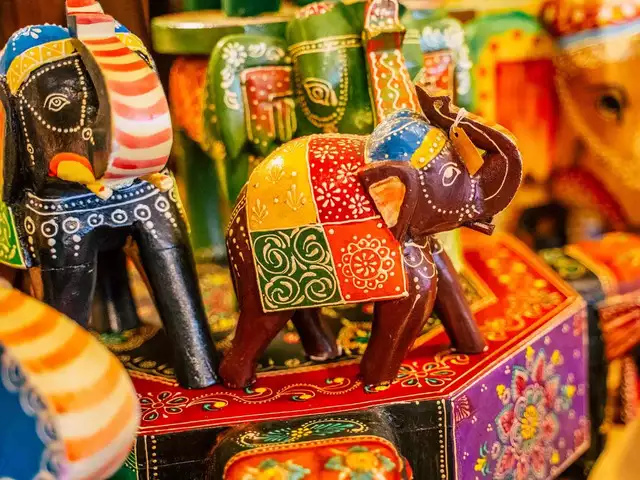
CIRCULAR STRATEGIES THAT ARE PART OF INDIA’S HERITAGE
A nation that has no cultural heritage is like an orphan who has nothing to feed upon. An individual human being, a race or a nation must necessarily have certain roots somewhere. India is deep rooted in the culture of her past—the glorious past. India is a vast country, and centuries old. It is difficult to sum up her heritage in a few words. Her past has been full of glory. She has been the birth place of many great men and women. She has given birth to many great movements in religion, art and literature. These movements have not been limited to India alone, but they have travelled to other parts of the world. The India of today has a rich past over which we can look back with pride. Our past has given us a definite way of life, which is typically Indian and yet universal in approach. Indian heritage definitely shows us the way forward in leading a sustainable lifestyle while contributing towards Circular Economy. History tells us that both floods and droughts were regular occurrence in ancient India. Perhaps this is why every region in the country has its own traditional water harvesting techniques that reflect the glory which tells us that both geographical peculiarities and cultural uniqueness of the regions. The basic concept underlying all these techniques is that rain should be harvested whenever and wherever it falls. 1. Ancient Architecture: Archaeological evidence shows that the practice of water conservation is deep rooted in the science of ancient India. Excavations show that the cities of the Indus Valley Civilisation had excellent systems of water harvesting and drainage. The settlement of Dholavira, laid out on a slope between two storm water channels, is a great example of water engineering. Chanakya’s Arthashashtra mentions irrigation using water harvesting systems. Sringaverapura, near Allahabad, had a sophisticated water harvesting system that used the natural slope of the land to store the floodwaters of the river Ganga. Chola King Karikala built the Grand Anicut or Kallanai across the river Cauvery to divert water for irrigation (it is still functional) while King Bhoja of Bhopal built the largest artificial lake in India. Drawing upon centuries of experience, Indians continued to build structures to catch, hold and store monsoon rainwater for the dry seasons to come. These traditional techniques, though less popular today, are still in use and efficient. 2. Daily Practices: In South India, people used to eat their meals on Banana leaf , earlier they used to used to compost it also, ditching the disposable culture. Ladies used to preserve vegetables in pickle form in dry areas and hilly areas, as vegetables were not easily available during those days. They used to efficiently use every part of the vegetable, be it its seeds or peels. Hence, significantly reducing biodegradable waste and contributing to Circular Economy. Earlier, every household used to have a Cow. The milk given by her was truly healthy and nutritious. But now, they are forced to live on roads in miserable conditions feeding on garbage. Hence, the milk given by her is also not so pure any more. It is full of harmful chemicals and artificial hormones. The cow dung was used as fertilizers, now it’s all dumped in landfills blindly. Earlier, women used to decorate themselves and the house with natural flowers and Rangolis, now it is also replaced with artificial flowers and paper Rangolis. Various art forms such as Warli, Madhubani and Rogan art have been developed because of this practice. They used to use sil-batta for making delicious sauces and used to sun dry their Masalas and pickles. But now they use mixer grinder and everything is available in packets, be it masalas or pickles. And thus due to lack of physical activity, they face a lot of troubles and diseases. They underestimate the power of Sun and Moon. 3. Handicrafts Another great example of circular economy was our handicrafts, various types of Saris be it Banarasi or Jamdani, various types of tying and dyeing techniques, Bandhini and Patola. All used some organic materials and the final print looked very beautiful. It used to give employment to the whole village, but now the conditions are different. Now, they are practiced by a handful of people and the end product is very costly. Hence, is used as a niche product and leaving lakhs of people unemployed. Various types of traditional such as Kalamkari, Shibori, Warli, Hand Block, Dabu, Indigo & Phentiya prints were quite popular in those times and were patronized by local rulers and Kings, unlike today’s time. Earlier, Kings were equally involved with agricultural decisions and irrigation resources. Now, things are different as these things are handled by different ministries, who are accountable to Prime Minister. But, there is always a lack of coordination and will power is seen, among themselves. Hence, we should always study about our ancient practices and should learn circular strategies from them. In current scenarios, Indore and Pune are serving as the best examples of Circular Economy because they are smartly segregating the waste. Social Start ups such as Daily Dump, Phool.co and Gulmeher are working on the same lines by encouraging composting and recycling flower waste respectively.
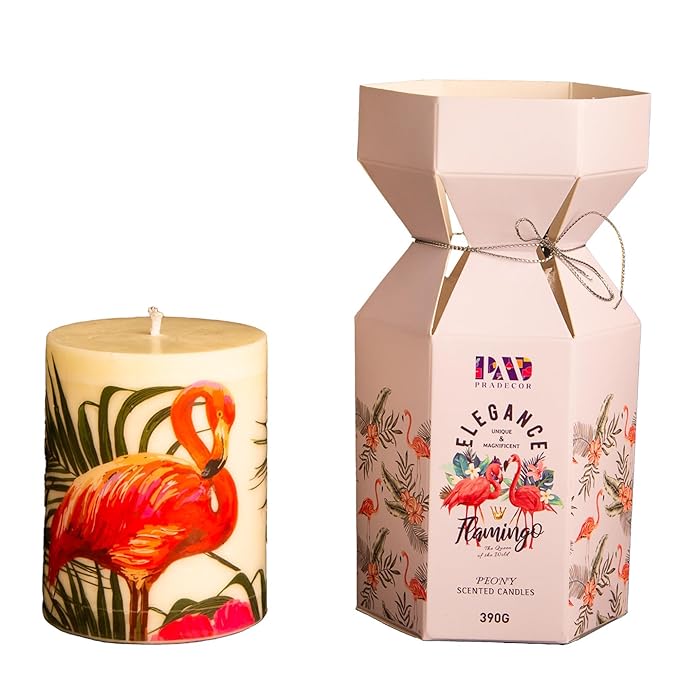
Top 10 Sustainable products on Amazon
https://amzn.to/48O6sBk