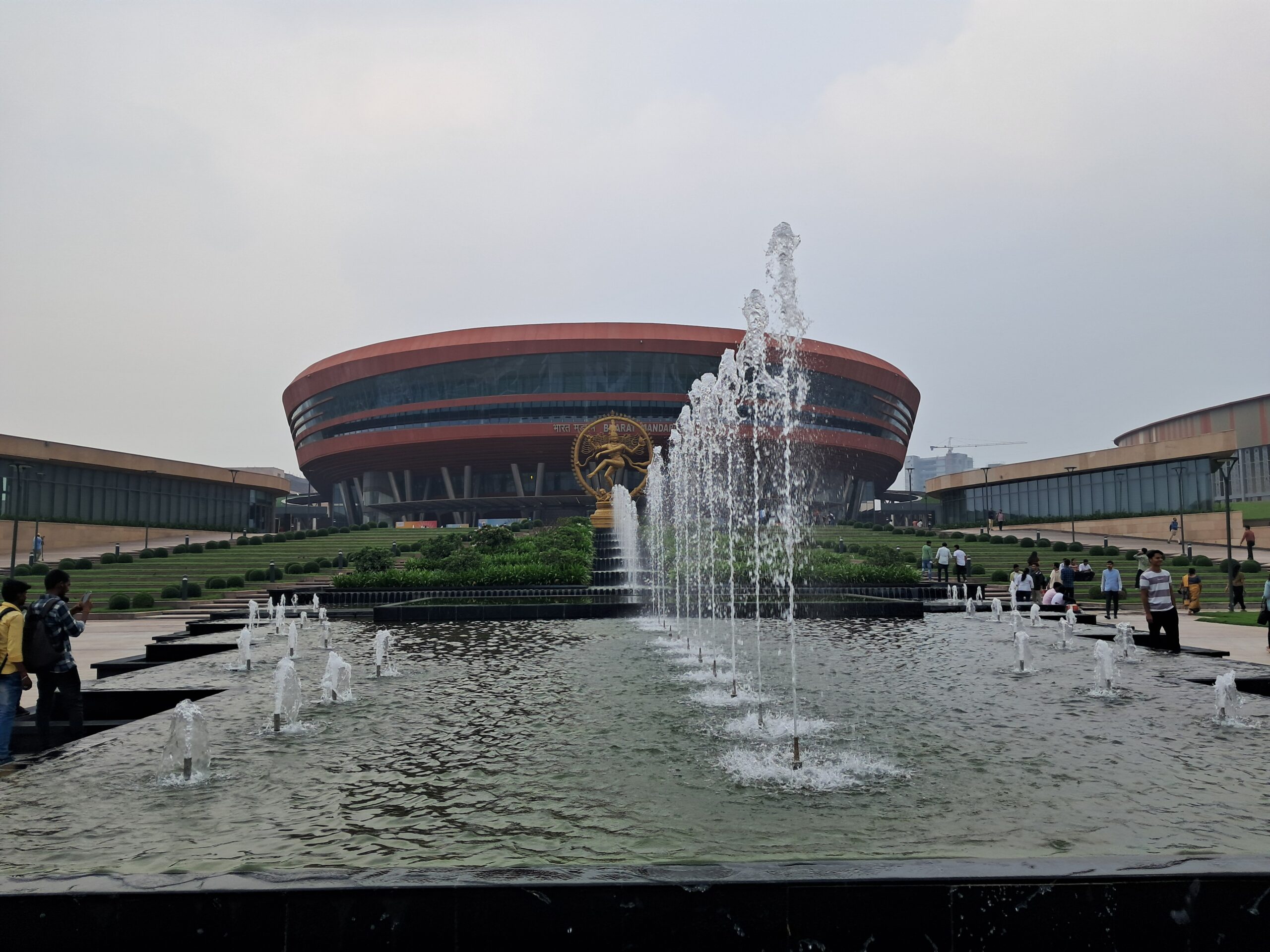
The International Solar Alliance (ISA) is an alliance of more than 120 signatory countries, most being sunshine countries, which lie either completely or partly between the Tropic of Cancer and the Tropic of Capricorn. The primary objective of the alliance is to work for the efficient consumption of solar energy to reduce dependence on fossil fuels. This initiative was first proposed by Indian Prime Minister Narendra Modi in a speech in November 2015 at Wembley Stadium in which he referred to sunshine countries as Suryaputra (“Sons of the Sun”). The alliance is a treaty-based inter-governmental organization. Countries that do not fall within the Tropics can join the alliance and enjoy all benefits as other members, with the exception of voting rights. The ISA is headquartered in Haryana, India. In January 2016, Narendra Modi, and the then French President François Hollande jointly laid the foundation stone of the ISA Headquarters and inaugurated the interim Secretariat at the National Institute of Solar Energy (NISE) in Gwal Pahari, Gurugram, India. The International Solar Festival, recently hosted by the International Solar Alliance at Bharat Mandapam, Delhi, 5-6 September 2024. It will catalyse global solar adoption by forging partnerships, unlocking innovative financing, deploying cutting-edge technology, and boosting capacity in ISA member countries. Aligning businesses, policymakers, and financial institutions, it will serve as a launchpad for transformative collaborations that fast-track the world’s transition to a future powered by affordable, reliable, and sustainable solar energy. The Private Sector Pavilion was inaugurated by Shri Prahlad Joshi, Hon’ble Minister of New and Renewable Energy, Government of India, and the ISA Ministerial Delegation. It had around 34 stalls hosted by TERI, IIT Delhi, few companies like Avaada, CEEW etc. The main attraction was the tractor run on Solar Energy, Sundial and Solar Cooker. Large Puppets of African and Indian ethnicities were also roaming in the pavilion, amazing everyone. Their were lots of amazing dance performances of different regions like Indonesia, Africa etc. also along with stand-up comedy act by Aakash Gupta. At the leadership panel, ‘India’s enhanced role in North-South partnership on faster solar energy transition’, Mr VK Dewangan, Managing Director and Chairman, REC Limited, highlighted the barriers overcome by the agency to promote installation of rooftop solar panels including conducting massive awareness campaigns among consumers to make solar the preferred source of energy. REC Limited has also embarked on a large-scale training exercise to equip workers with the requisite skills necessary to ensure installation of solar panels. At the evening, there was a mesmerizing performance by A.R. Rehman, Mohit Chauhan, Rakshita Suresh and other singers on first day. Next day, Sri Lankan Singer Yohani performed in the evening. For more such Festival updates, stay tuned to Ecodastkaari.com.
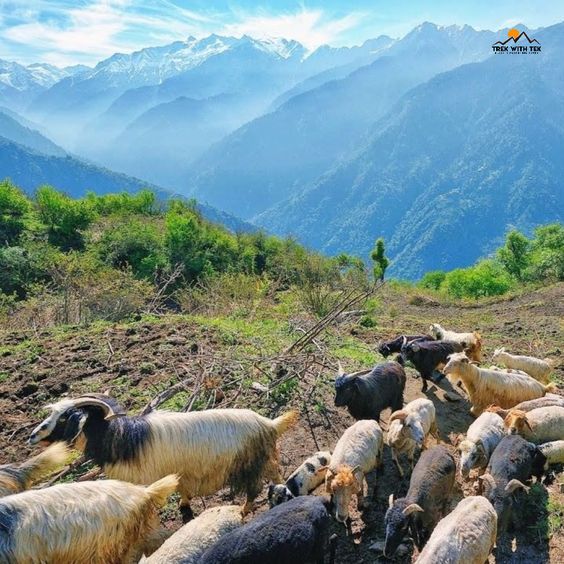
Top 5 National Parks in India
India is home to more than 100 National Parks with an immense variety of Flora and Fauna. Some of them are designated as UNESCO Heritage Sites also. Let’s discuss some of the prominent ones. 1. Jim Corbett National Park Established in 1936, this is India’s first national park. It is named after the legendary naturalist and conservationist Jim Corbett. Located at the Himalayas’ foothills, near the popular hill-station of Nainital, the beautiful Jim Corbett National Park, is famous for being home to a large number of tigers, the highest among any Indian national park. Spread over 1318.54 sq km, of which 520 sq km is the main area, and the remaining is buffer; the park is spread over the picturesque landscapes of Pauri Garhwal, Almora, and Nainital. The jeep safari into the dense forest to see the wild animals in their natural habitat is a must-have experience. And if you are lucky, then you may get a chance to even spot a tiger. While on the jeep safari, enjoy the lush green forest’s views cut across by streams and rivers and a few waterfalls. There are accommodations available inside the park for night-stay as well, which offer you once-in-a-lifetime experience. 2. Great Himalayan National Park This National Park in the western part of the Himalayan Mountains in the northern Indian state of Himachal Pradesh is characterized by high alpine peaks, alpine meadows and riverine forests. The 90,540 ha property includes the upper mountain glacial and snow meltwater sources of several rivers, and the catchments of water supplies that are vital to millions of downstream users. It is part of the Himalaya biodiversity hotspot and includes twenty-five forest types along with a rich assemblage of fauna species, several of which are threatened. This gives the site outstanding significance for biodiversity conservation. It is declared as UNESCO World Heritage Site in June 2014. There are several popular trekking routes in the park, ranging from those that can be done in a day or two, to mesmerizing Tirthan Valley, Jhibhi also known as Mini Thailand . Ecotourism and homestay tourism has also being gaining popularity in places near to the park. 3.Sasan Gir National Park Gir National Park is the only place in the world outside Africa where a lion can be seen in its natural habitat. The Lions of Gir are a majestic animal, averaging 2.75 metres in length, and with a bigger tail tassle, bushier elbow tufs and prominent belly folds than his African cousin which has larger mane. Gir is a home to 40 species of mammals and 425 species of birds. Established by Nawab of Junagarh‘s private hunting area in 1965, with a total area of 1,410.30 km2 (544.52 sq mi), of which 258.71 km2 (99.89 sq mi) is fully protected as a national park and 1,151.59 km2 (444.63 sq mi) as wildlife sanctuary. It is part of the Khathiar-Gir dry deciduous forests ecoregion. The count of 2,375 distinct fauna species of Gir includes about 38 species of mammals, around 300 species of birds, 37 species of reptiles and more than 2,000 species of insects. The carnivores group mainly comprises the Asiatic lion, Indian leopard, jungle cat, striped hyena, golden jackal, Bengal fox, Indian gray mongoose, ruddy mongoose, and honey badger. Asiatic wildcat and rusty-spotted cat occur, but are rarely seen. The main herbivores of Gir are chital, nilgai, sambar, four-horned antelope, chinkara and wild boar. Blackbucks from the surrounding area are sometimes seen in the sanctuary. Among the smaller mammals, porcupine and hare are common, but the pangolin is rare. The Sasan Gir National Park is an esteemed wildlife destination in India which has attained an immense popularity among vivid travellers, wildlife lovers, photographers, nature enthusiasts, researchers and hunters. Being the only destination to spot the Asiatic Lions in India, it keeps on attracting large number of travellers from several parts of the world for its Wildlife Safaris. 4. Silent Valley National Park Silent Valley National Park is a national park in Kerala, India. It is located in the Nilgiri hills and has a core area of 89.52 km2 (34.56 sq mi). It is surrounded by a buffer zone of 148 km2 (57 sq mi). This national park has some rare species of flora and fauna. Silent Valley National Park was explored in 1847 by the botanist Robert Wight.[2] It is located in the border of Mannarkkad Taluk of Palakkad district, Nilambur Taluk of Malappuram district, Kerala, and Nilgiris district of Tamil Nadu. It is located in the rich biodiversity of Nilgiri Biosphere Reserve. The Karimpuzha Wildlife Sanctuary, New Amarambalam Reserved Forest, Nedumkayam Rainforest in Nilambur Taluk of Malappuram district, Attappadi Reserved Forest in Mannarkkad Taluk of Palakkad district, and Mukurthi National Park of Nilgiris district are located around Silent Valley National Park. Mukurthi peak, the fifth-highest peak in South India, and Anginda peak are also located in its vicinity. The Bhavani River, a tributary of the Kaveri River, and Kunthipuzha River, a tributary of Bharathappuzha river, originate in the vicinity of Silent Valley. The Kadalundi River also originates in Silent Valley National Park. Silent Valley National Park The national park is one of the last undisturbed tracts of South Western Ghats mountain rain forests and tropical moist evergreen forest in India. Contiguous with the proposed Karimpuzha National Park (225 km2 (87 sq mi)) to the north and Mukurthi National Park (78.46 km2) to the north-east, it is the core of the Nilgiri Biosphere Reserve (1,455.4 km2), and is part of the Nilgiri Sub-Cluster (6,000+ km2), Western Ghats World Heritage Site, recognised by UNESCO in 2007.[3] Plans for a hydroelectric project that threatened the park’s biodiversity stimulated an environmentalist social movement in the 1970s, known as the Save Silent Valley movement, which resulted in cancelling the project and creating the park in 1980. The visitors’ centre for the park is at Sairandhri. 5. Kaziranga National park Kaziranga National Park is a national park in the Golaghat, Sonitpur, Biswanath and Nagaon districts of the state of Assam, India. KNP has 5 ranges. The park, which hosts two-thirds of the world’s Indian rhinoceroses, is a UNESCO World Heritage Site. According to a March 2018 census conducted jointly by the Forest Department of the Government of Assam and some recognized wildlife NGOs, the rhino population in Kaziranga National Park is 2,613. It comprises 1,641 adult rhinos and 385 calves. In 2015, the rhino population stood at 2,401. Kaziranga National Park was declared a Tiger Reserve in 2006. The park is home to large breeding populations of elephants, wild water buffalo, and swamp deer. Kaziranga is recognized as an Important Bird Area by BirdLife International for conservation of avifaunal species which refers as the birds or types of birds found in a specific region, period, or environment. When compared with other protected areas in India, Kaziranga has achieved notable success in wildlife conservation. Located on the edge of the Eastern Himalaya biodiversity hotspot, the park combines high species diversity and visibility. Indian

Top 6 ways to lead a Sustainable Lifestyle…..
Let’s know more about composting , recycling and upcycling to lead a Sustainable lifestyle and the Organisations which are doing it. 1.Composting It is very necessary nowadays, because all landfills are almost filled up, be it Narela, Bawana, Okhla or Ghazipur in Delhi. If we continue to throw away our mix waste it will lead to Global Warming. So, it’s better to segregate our Daily Vegetable Waste like peels and leftovers in a container and plant waste like dried leaves and flowers. We can also put egg shells, paper and coconut husk to it. Food turns into compost through the hard work of small microorganisms like bacteria, fungi, and protozoa. On a small scale, in your backyard or neighbourhood, a compost pile should consist of three things: food scraps, water, and dry, woody material like yard trimmings or raked leaves. Yard trimmings are frequently referred to as “browns” and are high in carbon. Food scraps are called “greens” and are high in nitrogen. A compost pile should typically have twice as many browns as it does greens. Aside from preventing a pile from turning into a sloshy mess, browns are bulkier and create space for oxygen to move throughout the pile. That oxygen helps tiny microbes decompose food waste through a process called aerobic digestion. In landfills, deep piles of trash prevent oxygen from reaching decomposing food, and it’s instead broken down by microbes that can survive without air. The anaerobic digestion practiced by those microbes produces methane. In contrast, as aerobic microbes break down waste—first, easier sugary compounds, and then proteins and fats, and then finally fiber —they emit carbon dioxide, which is also a greenhouse gas, but less potent than methane. The fresh compost left after several months is in a slower state of decomposition; it’s rich with microorganisms and nutrients such as nitrogen, phosphorus, and potassium. That’s why Farmers calls it “Black Gold“. Composting is quiet easy, but for more information and composting products, you can visit dailydump.org/ . 2. Recycling Floral Waste Floral waste is one of India’s biggest pollutants, on land and water, accounting for nearly a third of all solid waste in the country, according to statistics. Because they have been offered in prayers, the dead flowers are considered holy, and not to be disposed of with the other rubbish. And so they get dumped into the nearest body of water, usually a river. The Ganges, revered and adored as Ganga Ma by millions, takes in more than eight million metric tonnes of flower waste every year, says UN Climate Change. Now imagine this in hundreds of rivers and lakes throughout the country. Floral waste not only clogs up the water channels, it also releases pesticides and insecticides into the already murky waters, harming human beings who drink from it, as well as resident marine life. In areas with no convenient access to water, flower waste is simply left in large piles on streets, or thrown into landfills. This causes a different type of problem, increasing carbon emissions and other types of air and soil pollution. Thankfully, social entrepreneurs in parts of India have come to the rescue over the past few years, collecting and cleaning these discarded flowers and turning them into usable products, such as organic compost and, more valuably, soaps, candles, holi colours, incense sticks and natural dyes. phool.co, avacayam.com and gulmeher.com are some examples of organisations which are doing this great work. The best part is that they are providing employment to women and disabled people. So that need students could read from them. 3. Discarded Clothes According to the World Resources Institute, it takes 2,700 liters of water to make one cotton shirt. And when consumers throw away clothing in the garbage, not only does it waste money and resources, but it can take 200+ years for the materials to decompose in a landfill. So, it’s better to do mindful shopping and also sometimes thrifting and upcycling of dresses, like making a dress out of an old Sari. In India, you can also sell your clothes to people who make Daris (Rugs), toys or exchange them with steel utensils. You can also donate them to goonj.org/ which has created a barter between urban surplus and village communities labour, triggering large scale rural development work. doodlage.in/ by Kriti Tula is also doing a commendable job by Upcycling factory waste into short limited edition collections. They Recycle post consumer waste and post cutting scraps into new fabrics to create season-less well finished garments made for longevity. What they further waste is segregated and converted into accessories, soft furnishing products and paper to make packaging or stationery products. I just recently visited the Rock garden and was astonished to see the Doll museum made by Nek Chand ji with old clothes. I think we need such museums in every state. 4) USED BOOKS After every change in session, there is a pile of used books and notebooks with every student. Generally, we sold it off to Kabadiwala or give it to siblings. But, we can also donate them to Book banks or Mobile Libraries. So that needy students could read from them. 5) HOME DECORE We all love to decorate our Homes but sometimes unknowingly we end up in buying unsustainable Home Decor like Plastic Flowers, Containers or Baskets. Instead of it we should use home decor that are rooted in Sustainability and Craftsmanship. Indian craftsmanship and age-old techniques of embroidery, stitching and weaving are having their much-deserved moment in the sun with the advent of several home decor brands that are reviving these practices, employing artisans, and bringing a contemporary flair with fresh designs. Being sustainable, using eco-friendly packaging and embracing the slow, mindful production cycle are other philosophies that make them better for the environment. This has revived our old trends of chikankari, macrame and croche works back in the trend for Table covers, Fridge Covers, curtains and coasters. Green live plants look more beautiful than artificial plants, they
Gandhi ji and Sustainability
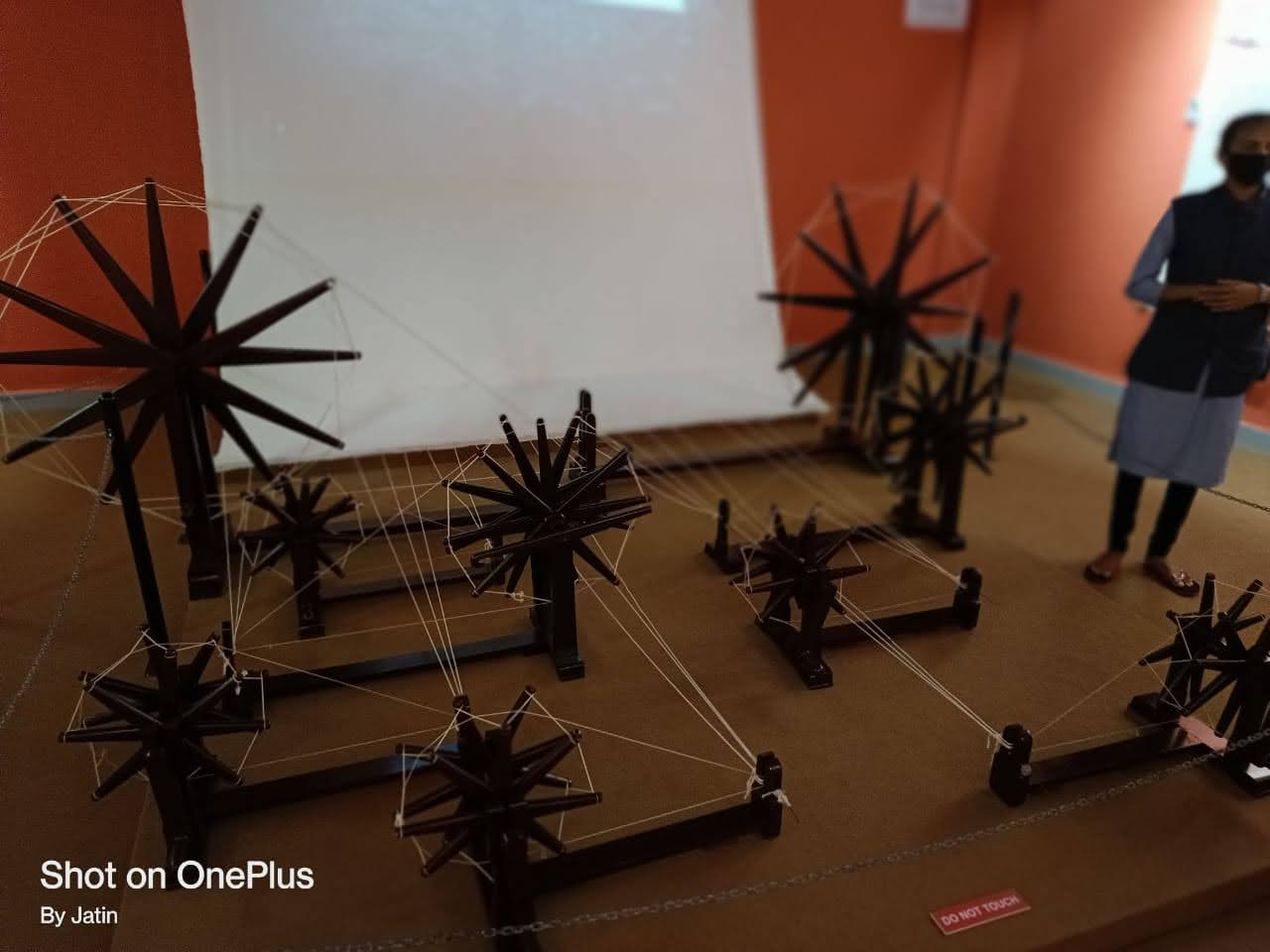
We all know about Gandhiji’s ideology about Satya, Ahimsa, Sarvodaya and Antodaya. But, if we analyse all his principles deeply, we will realise that all his principles also align with Sustainable development goals of eliminating hunger and poverty . He first used the word Sarvodaya in modern times. Sarvodaya means ” the rise or welfare of all”. He borrowed his concept from John Ruskin’s Unto This Last. The proper rendering of which would be Antodaya i.e. upliftment of the last person in the society rather than Sarvodaya. Here’s how Gandhi’s ideas intersect with sustainability: Simplicity and Minimalism: Gandhi advocated for a simple and minimalist lifestyle, promoting the idea that individuals should live with only what they need and avoid excessive consumption. This aligns with the sustainability principle of reducing consumption and waste to conserve resources and minimize environmental impact. Self-sufficiency and Localism: Gandhi emphasized the importance of self-sufficiency at the local level, promoting village industries and cottage production. He believed in empowering communities to meet their own needs, reducing dependence on centralized systems. This concept resonates with the sustainability goal of promoting local economies, reducing transportation emissions, and fostering resilience. Respect for Nature: Gandhi had a deep respect for nature and believed in living in harmony with the environment. He advocated for sustainable agricultural practices, including organic farming and crop rotation, to maintain soil fertility and preserve ecosystems. Gandhi’s reverence for nature parallels modern sustainability efforts to protect biodiversity and ecosystems. Non-violence and Justice: Gandhi’s philosophy of non-violence (ahimsa) extended to all living beings, emphasizing compassion and empathy. This ethical stance underpins modern sustainability principles, which seek to address social justice issues and ensure equitable access to resources for present and future generations. Community and Collaboration: Gandhi emphasized the importance of community and collective action in creating social change. He believed in the power of individuals coming together to address common challenges, which aligns with the collaborative approach inherent in sustainability efforts, such as community-based initiatives and participatory decision-making processes. Long-term Vision: Gandhi’s vision of societal transformation was deeply rooted in long-term thinking and intergenerational equity. He understood that true progress must consider the well-being of future generations, echoing the sustainability principle of ensuring that current actions do not compromise the ability of future generations to meet their needs. At the heart of Gandhi’s textile legacy lies the Khadi revolution. Khadi, a simple hand spun and handwoven fabric, became the symbol of Gandhi’s vision for a self-reliant and independent India. He believed that Khadi was not just a fabric but a means to connect the people of India to their roots, to the rural villages, and to the dignity of labour. Gandhi himself was a devoted spinner, often pictured with a Charkha, the traditional spinning wheel. Through his actions, he encouraged millions of Indians to spin their own Khadi cloth, promoting economic self-sufficiency and empowering rural communities. The Khadi movement was not just a clothing choice but a powerful political and economic statement. Gandhi’s impact on Indian textiles transcends his lifetime. His emphasis on sustainability, eco-friendliness, and ethical production methods in textiles was far ahead of his time. Today, as the world grapples with environmental challenges, his principles find renewed relevance. The Khadi movement, with its focus on hand spun and handwoven fabrics, represents a sustainable alternative to mass-produced textiles. It champions the use of natural fibers, minimal energy consumption, and support for local communities. These principles align with modern notions of ethical fashion and sustainability. Gandhi ji’s emphasis of using locally available materials is applied professionally by Gilli Mitti Farms which is promoting the concept of Mud Houses, Permaculture and Village homestays. The use different natural building techniques like earthbag, wattle and daub. They also use Clay paints and Lime paints instead of toxic paints. They have also made a rescue farm for animals named as Tuk Tuk gilhari, based in Noida. Follow us on Facebook and Instagram to stay up to date with the latest in sustainable fashion and ethical fashion from India. We love to hear from you!

Climate Change
Climate change refers to long-term shifts in temperatures and weather patterns. These shifts may be natural, such as through variations in the solar cycle. But since the 1800s, human activities have been the main driver of climate change, primarily due to burning fossil fuels like coal, oil and gas. Burning fossil fuels generates greenhouse gas emissions that act like a blanket wrapped around the Earth, trapping the sun’s heat and raising temperatures. Examples of greenhouse gas emissions that are causing climate change include carbon dioxide and methane. These come from using gasoline for driving a car or coal for heating a building, for example. Clearing land and forests can also release carbon dioxide. Landfills for garbage are a major source of methane emissions. Energy, industry, transport, buildings, agriculture and land use are among the main emitters. Climate change can affect our health, ability to grow food, housing, safety and work. Some of us are already more vulnerable to climate impacts, such as people living in small island nations and other developing countries. Conditions like sea-level rise and saltwater intrusion have advanced to the point where whole communities have had to relocate, and protracted droughts are putting people at risk of famine. In the future, the number of “climate refugees” is expected to rise. Indian culture has always given importance to Sustainability and Environment Conservation. The Aranakayas (ancient texts), mention the importance of Forests. Forests help in soil, biodiversity and wildlife conservation. They acts as Carbon Sinks and works against Climate Change naturally. They provide livelihood and habitat to tribal people. Several communities such as Bishnois and Jasnathis practice Forest and wildlife conservation very seriously since centuries. Forests also support endangered animal population such as Tiger which indirectly helps in generation of Eco Tourism opportunities. Fishing, fuel wood, timber, Fodder and grazing, Nutrient Cycling are some of other benefits of preserving Forest cover. They also help in keeping our water resources clean and pure and moderate extreme evens such as Cyclone storms, Flash floods or Droughts. Spiritual and Recreational tourism can be promoted through them which can give a great boost to our economy. Talking about the modern times, with increasing population, problems like pollution and unsustainable practices of waste management are also increasing. We must go back to our roots and follow simple methods of living like composting our bio-degradable waste, using cloth bags, planting trees, rain water harvesting etc. Green fashion must be promoted instead of fast fashion and consumerism. We need to revive old conservation set ups like Bawadis, less use of pesticides and using cow dung as manure, which gradually should take up pace. As government has introduced new schemes in the budget 2023-24 such PRANAAM & GOBARDHAN which supports the above said things for farming methods. Other than these concepts, we have Permaculture, Aquaponics, Hydroponics and methods like Crop Rotation, Zero Tillage and Intercropping, which promotes zero waste and efficient use of resources. But all these practices should be taken early and seriously, otherwise it will be too late.
Zoya and Ayaan
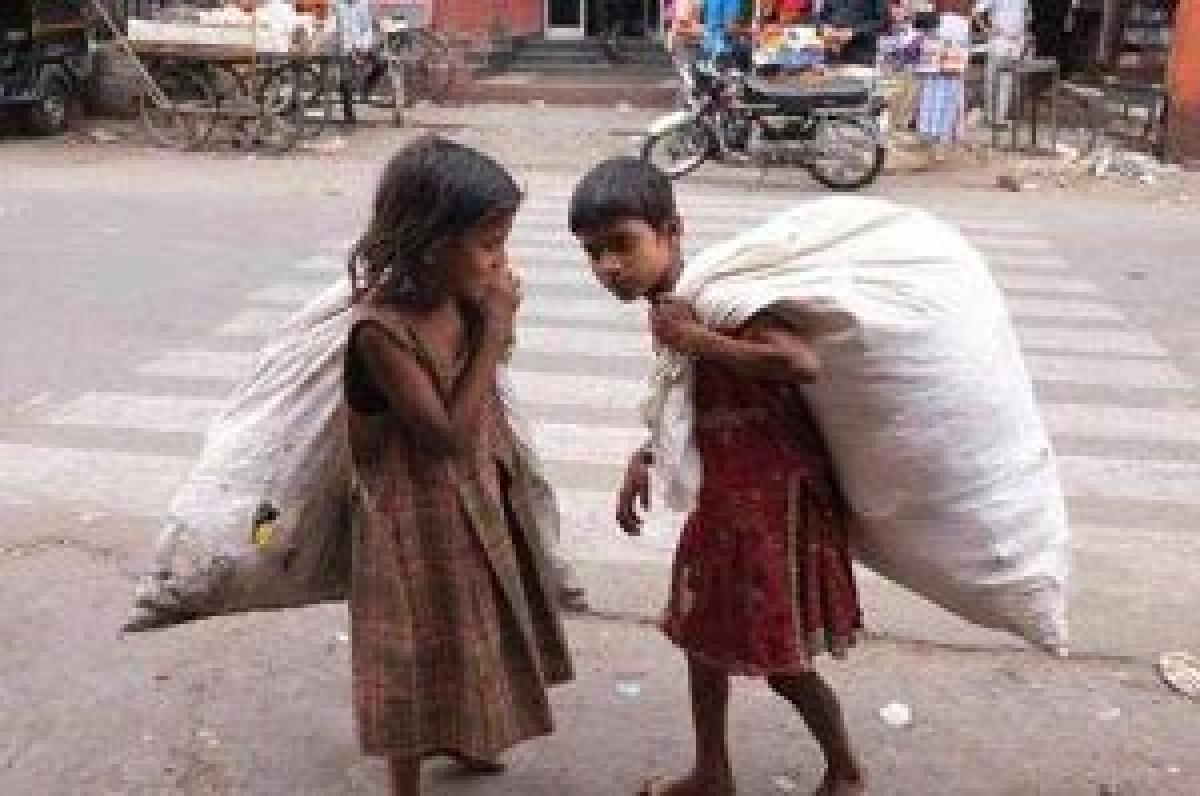
This is a fictional story of Ayaan and Zoya, based on children who live in the slums of Ghazipur, which is near now closed Ghazipur Landfill in east Delhi. Their father is a Ragpicker and both of them also helps him in rag picking. Ayaan studies on phone but doesn’t tell anybody about it. Zoya attends daily classes run by a Local NGO Chintan. Their day starts with going to a community toilet, which is newly built in their area. Then after a quick breakfast, they start with their daily routine of rag picking i.e. picking up plastic bottles, cardboard or some metal in the garbage discarded by local people. Earlier, they used to climb up the mountain of trash, but now since it’s closed, they keep roaming on streets, occasionally fighting with stray Dogs. But, they have the courage facing all this menace which is external as well as internal. As they daily come in close contact with discarded diapers and sanitary napkins. Most harmful is the medical waste like syringes or a broken thermometer with mercury releasing from it. Due to these conditions and absence of any hand gloves or safety gear, they keep falling ill on regular basis. But despite of all these hardships, they have a sweet smile on their face, because they keep finding happiness in little things like blooming of a flower or a rain shower or a simple sweet to eat. On a similar day, after a quick escape from dogs, Zoya and Ayaan were returning to their home slum. During red light of traffic, a child was fighting for a toy with his Mom. Suddenly, the mother noticed Zoya and Ayaan who were dancing in rain and pointed towards them. She says that you should learn something from them, you should not be so stubborn. She tells him to concentrate on his studies first and then think about any toy or chocolate because lot of children don’t get an opportunity to study in a good school like him. After seeing them, the boy also wanted to play with them but he nods his head in favour of his mom. Meanwhile, the traffic signal turns green and the car quickly moves away. Zoya, quickly rushes to her class and forcibly took Ayaan also to her classes. Ameena, the instructor welcomes both of them. She reminds the class that the students need to tell about their dreams i.e. What do they want to become? Zoya tells that she wants to be a Supervisor of the Gulmeher office. Gulmeher was started by CSR wing of IIFLS, after opening up a Waste to Energy plant. It provides employment to women by turning them from waste pickers to artists. They give them basic training of tailoring and embroidery. Then they become proficient in making artistic products like photo frame, greeting cards decorated with dried flowers, which are collected from nearby Ghazipur flower market. Zoya became very happy, when once she visited the office with her mother, who works there. Then it was the turn of Ayaan to tell his dream. Hesitatingly, he said that he wants to be a Rapper. Then Ameena asks him to recite a Rap. He does so in a quirky manner. His Satirical Rap was to the point on the failure of Society and Government Organisations to manage the waste and the unfortunate condition of Landfills of Delhi. He seems to be impressed by the pitch of Daily Dump’s founder and her ideology on Shark Tank. He is also seems to be worried about the increasing case of fires and landslides in the Landfills. He warns the Delhites to think about the issue seriously otherwise tell them to face the consequences like Kochi landfill fires. He praises the waste management techniques of Indore and Pune. Following this, the whole class, instructor and Zoya claps continuously.

Top 6 Eco Trekking Trails in India
Being a travelling enthusiast, I love to trek, do Yoga and gradually I am moving towards a healthy and happy lifestyle. So, I thought why not to share all amazing treks that me, my family and friends have experienced in the recent time to give you a more holistic idea of eco trekking and responsible travelling. Trekking in Himachal Pradesh– I was very fortunate to attend a trekking camp during my graduation, because I was also a NCC Cadet. First, we all reached Pathankot then took a train towards Kangra. The trekking expedition was very well planned, there were cadets of various Schools as well as College. We all stayed in a lush green campus of Jawahar Navodaya Vidyalaya, Kangra installed with Solar Panels. Our first trek was towards Baijnath Temple, located in Kangra District of Himachal Pradesh. It was an easy trek, this temple was made by Pandavas during their exile. The outside view of temple was also very amazing. Next Day, We trekked towards a Monastery, namely Tashi Jong Monastery. Visiting a Monastery is always a calming and peaceful experience. But the trek in itself was difficult , we saw lot of amazing things in the trek such as Rubber trees and small waterfalls. I made lot of friends during the trek. Their were Cultural programmes also every evening in which students of each state performed their Folk Dances. I also got an opportunity to witness NCC parade of Cadets which was a mesmerising experience in itself. Next Day, We all went To Kangra Fort in a Bus. We all visited Jwala Devi Temple, Sati’s tongue is believed to have fallen at the very place where Jwala devi Temple is now situated. Kangra Fort is the largest fort in the Himalayas and probably the oldest dated fort in India, built by the royal Rajput family of Kangra State (the Katoch dynasty). On our return we saw Bears through the windows. Next Day was the beautiful experience of a homestay where we enjoyed local authentic food. Our trekking destination was a Tree, where it was believed that Vivekanand Ji meditated. Our next trekking destination was Bir Bling, which is famous for its Paragliding. It was the longest trek, we saw Fire Flies in the evening. One day we also played Volleyball and painted beautiful sceneries. On our return there was an amazing Party organised for all the Cadets by the authorities. In the evening , we also did a photoshoot and received our Certificates and Medals. It was really a lifetime opportunity for me to be a part of this trekking expedition. 2. Triund trek, Mc Leodganj McLeod Ganj or McLeodganj is a suburb of Dharamshala in Kangra district, Himachal Pradesh, India. It is known as “Little Lhasa” or “Dhasa” as the Tibetan government-in-exile is headquartered here and there is a significant population of Tibetans in the region. This is one of my recent trek, we reached Dharamshala, then took a local bus to Mc Leodganj. Then reached hotel and visited Dalai Lama Resident Monastery in the evening. Next day, we started our trek from Bhagsu Nag Temple. It was a 12 Km trek starting with lot of stairs, a dried stream comes in between then comes a steep trek. According to locals, during rains stream flows with water. In mid of trekking, you can take tea and maggi breaks at Cafes beautifully decorated by Waste Warriors Organisation. You will find life and motivation quotes on stones and other beautiful waste to art installations made with eco-bricks and used tetra milk packets making this trek really an eco trek. Then, you reach a spot where you can see two mountains, but the actual point was a bit more farther. Somehow, with the help of guide we reached to the top and took a sigh of relief, because the weather became a bit stormy. There were tents for our night stay, staying in them was a beautiful experience. You can do stargazing, enjoy local food at the top of the Mountains and witness beautiful sunrise amid Dhauladhar ranges next morning. Then we started our journey back to plains. The local cafes of Mc leodganj are also amazing. I bought a woolen cap, jewellery and chamomile tea on my way back home. Due to lack of time, we couldn’t visit St John’s Church at Mc Leodganj and Tea Gardens at Dharamshala. 3. Nainital, Uttarakhand My brother is very fond of Marathons, so he went to this Half Marathon organised in Nainital by Nainital govt. Nainital is a beautiful town in Uttarakhand, India. As soon as you step out of bus and travel half a mile, you get to see an amazing eye shaped, Naini Lake. According to Hindu Mythology, Sati’s right eye fell here, hence it’s called Lake of the eye i.e Nainital. The goddess Shakti is worshiped at the Naina Devi Temple, known by locals as Naini Mata Temple on the north side of the present day lake. Here, you can start your trek by covering the famous 7 points which are tiffin top, eco cave garden, lover’s point, suicide point, lake view point, dried lake view point and finally the peak point where you can take lot of beautiful photographs. If you start early, you can view amazing sunrise amid kumaon hills and other points such as Mukteshwar Dham and Apple farms with the help of telescopes which are easily available there. The amazing part was that he got to see the beautiful snow covered mountains. If you have time, you can visit Kainchi Dham. It is is a Hanuman temple & Ashram which is established by a great saint Shri Neem Karoli Baba in 1960s. It’s a holy temple surrounded by hills ,trees and river flowing besides it. Recently, Virat Kohli and Anushka Sharma also visited this temple. 4. Kudremukh trek, Karnataka This is the most beautiful trek in Karnataka. The nearest railway station is at Mangalore with trains connecting to many cities. The nearest airport is also in Mangalore and is accessible by taxis. Kudre means Horse in